From Spoken Note to Signed Scope: A Disciplined Way to Handle a Rushed Brief
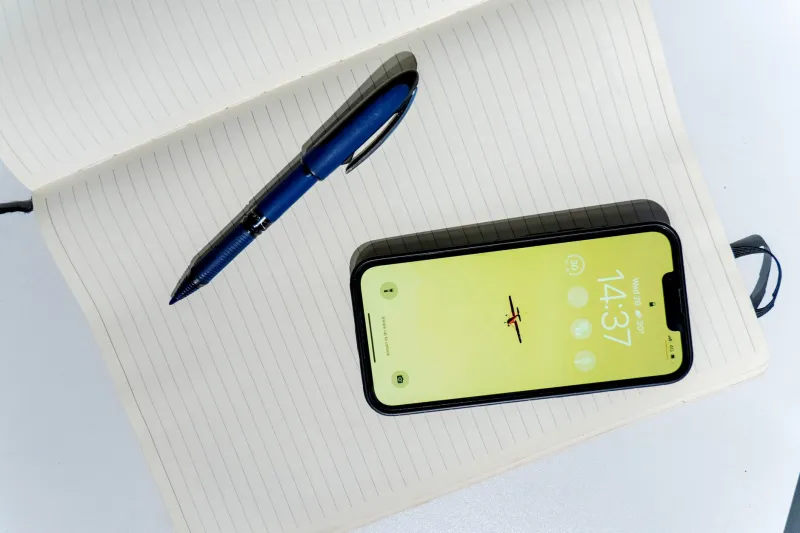
A voice note arrives at the end of the day. It is four minutes long, begins with an apology, moves through a kitchen renovation, a cousin who can build websites, and a deadline that may or may not be fixed. Nothing in it is unusual. Small projects often begin in exactly this way: spoken, partial and slightly anxious. The task is not to impose bureaucracy on the client. It is to make the brief legible enough that both sides know what happens next.
The method below is deliberately modest. It works for a single-page website, a small identity refresh, a run of printed matter or a bespoke object. It assumes that the project is small enough for a one-page scope to be proportionate, and that the client is not trying to be vague. Most people are simply thinking aloud.
Step one: transcribe the key points, not the whole recording
Listen once without typing. Listen a second time with a simple capture sheet in front of you. The sheet should have seven headings: outcome, audience, must-have content, deadline, budget signal, decision-maker and existing assets. These are not creative questions. They are the minimum facts that prevent a project from drifting.
Do not send the raw transcript back to the client. A transcript is a working document, not a deliverable. If you use automatic transcription, correct names, places and product references. A misspelled street name or a mangled company name undermines confidence before the project has begun. Keep the transcript in your own files and distil it into plain notes.
Where the client has contradicted themselves, note the contradiction without resolving it yet. Where they have mentioned a person who is not in the conversation, note that too. The aim of this step is not to produce a perfect brief. It is to show the client that you have listened closely enough to ask useful questions.
Step two: ask three clarifying questions
Three questions is usually enough. More than three can feel like an interrogation, particularly on a small project where the client may be fitting the work around a job and a family. Choose questions that unlock decisions rather than questions that merely gather preference.
The first question should establish success: what would make this project feel worthwhile six months from now? The second should establish what is fixed: which elements are non-negotiable, whether that is a colour, a date, a piece of copy or a supplier? The third should establish authority: who signs off the work, and is there anyone else who needs to see it before that happens?
Frame the questions as choices where possible. 'Should the launch page prioritise enquiries or bookings?' is easier to answer than 'What are your goals?' If the client has sent the brief by voice note, reply by email with a short acknowledgement within one working day. Say when the scope will follow. Keep the subject line plain: the project name, followed by 'brief notes and next step'. If the client prefers WhatsApp or a messaging app, use it to acknowledge receipt, but put the scope itself in email or a PDF. A scope that lives only in a chat thread is difficult to approve and impossible to find later.
UK email etiquette is forgiving of brevity, but it is not forgiving of vagueness. 'Thank you for the voice note. I have set out the main points below and will send a one-page scope by Thursday' is better than a long apology for the delay. Avoid faux-formal phrases such as 'please find attached hereto'. Use the client's name, write in complete sentences and state the next action clearly. If you are sending the scope on a Friday afternoon, say when you will be available to answer questions. Do not imply that a bank holiday will be ignored.
Step three: return a one-page scope for sign-off
The scope should fit on one page. That constraint is useful. It forces you to separate the essential from the merely interesting. Use six short sections: purpose, deliverables, what is included, what is excluded, timeline and dependencies, and client responsibilities. A simple table can carry the deliverables and dates if the project has several parts.
Under 'purpose', write two or three sentences in plain English. Under 'deliverables', list the tangible outputs: a five-page website, two rounds of amendments, a set of print-ready files. Under 'included and excluded', be specific about the boundaries. If copywriting is not included, say so. If photography is included but travel is not, say so. Under 'timeline', give dates rather than durations where possible. Under 'client responsibilities', list what you need and when: approval of the scope, supply of images, a single point of contact.
Finish with a short sign-off request: 'If this reflects the brief, please reply with 'approved as written' by [date]. If anything is missing, mark it on the page and return it.' That sentence does more work than a page of terms and conditions. It gives the client a clear, low-effort action and it gives you a record of agreement.
The scope is a courtesy, not a contract. It should not read as if it has been drafted by a committee. Keep the language direct. Say what you will do, what you need and when you will next be in touch. For small projects, this one page is often the difference between a smooth beginning and three weeks of quiet confusion.
Keeping the project moving
The value of this method is not the document itself. It is the pause it creates. A voice note invites an immediate reaction; a one-page scope invites a considered reply. In the space between the two, the client can correct a misunderstanding without embarrassment and you can begin the work with a clearer idea of what 'finished' means.
M. Korman writes and designs in London. This guide is part of a series on the practical apparatus of small, well-run projects.