A Year in Use: Reviewing Finished Work Without Reopening the File
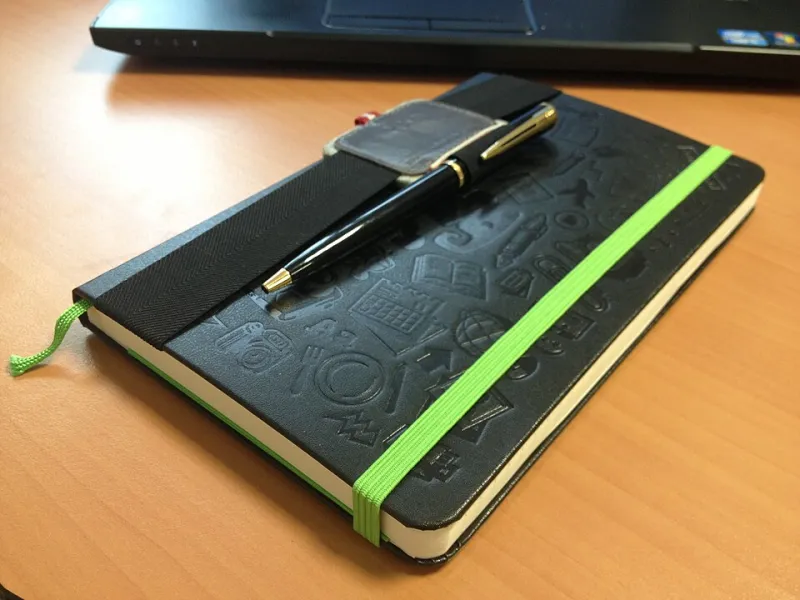
Photo: Guy Sie from Utrecht, Netherlands, CC BY-SA 2.0, via Wikimedia Commons
In a small studio, the project file tends to close quickly. There is a final invoice, a handover note, perhaps a quiet exchange of thanks, and then the next enquiry arrives. The work, however, does not stop at that point. It goes into a kitchen, a shop floor, a rehearsal room or a shared inbox, and it begins to be used by people who were not in the final meeting. A year later, that ordinary use is the most useful evidence available.
A twelve-month check-in is not a portfolio exercise. It is not a chance to ask whether the client liked the colour, nor an invitation to reopen old decisions without cause. It is a listening exercise, conducted after the novelty has gone and daily habits have formed. For London studios and makers, where projects are often small, bespoke and closely negotiated, this kind of review can be more instructive than another case study photograph.
Why wait a year
The first month after handover is unreliable. Clients are being kind, or they are still learning the thing they commissioned. Problems have not yet surfaced; workarounds have not yet been invented. By the twelve-month mark, the work has met a winter, a busy period, a change of staff or a new routine. It has had time to become either invisible or awkward. That is the moment to ask what it is now, rather than what it was meant to be.
The delay also protects the relationship. An immediate follow-up can feel like a request for reassurance. A later note, framed as a review rather than a favour, tends to be received more candidly.
A short set of questions
The questions should be concrete. Avoid satisfaction scores and broad invitations to comment. Ask for examples.
- What part of the work do you still use every week, and what do you use it for?
- What have you stopped using, and when did that happen?
- Has anything worn, broken, become awkward or needed explaining to someone new?
- Where have you adapted the work, or worked around it, to suit how you actually operate?
- If you commissioned something similar again, what would you change first?
Five questions are enough. They can be sent by email or asked in a twenty-minute call. The aim is not a formal report but a set of phrases worth keeping. Write down the client's words where possible. "We keep the key in the drawer because the hook is too high" is more useful than a score of seven out of ten.
A simple diary method
A year-on review does not need software. A single notebook, or a plain document, will do. Give each completed project one page. At the top, record the client, the handover date and a one-line description of what was made. Leave the rest of the page for the twelve-month return.
Set a reminder for eleven months after handover, then send the questions at the twelve-month point. When replies come in, note them under three headings: still in use, friction, and unexpected life. The first heading records what has settled into routine. The second captures wear, confusion, maintenance or quiet abandonment. The third is for uses the brief never anticipated — the shelf that became a display, the document that became a training tool, the prototype that is still being borrowed.
Review the notebook at the end of each quarter. Do not turn the findings into a public gallery. Keep them in the project folder, marked as internal post-handover notes. If a client reports a genuine fault, deal with it separately and commercially. The review itself is not an invitation to carry out free remedial work.
Reading the returns
Patterns emerge quickly. If several clients ignore the same instruction, the handover document may be too long or poorly placed. If physical edges wear early, the specification may be too delicate for daily handling. If people have built workarounds, the brief may have described the object rather than the task. If a feature is never used, it may have been included for the studio's comfort rather than the client's need.
For makers working from rented London homes or small workshops, the findings often concern storage, transport and cleaning. For studios, they tend to concern onboarding, training and maintenance. Both are forms of use that are easy to overlook when the project is still being presented on screen.
Feeding the next brief
A year-on review should change the next brief, not just the conversation. Add a short section headed "in-use assumptions". Record who will use the work, how often, in what condition, and what should happen at month twelve. Add a line for maintenance and a line for handover. Ask the client, early, what would make the work fail quietly. These are modest additions, but they turn hindsight into a scoping tool.
The discipline is to treat finished work as a long experiment rather than a closed file. A year in use will not tell you whether the work was clever. It will tell you whether it was useful, where it asks too much, and what it has quietly become. That is better information for the next commission than another polished image could ever provide.