The Considered Nudge: Writing to Clients Between Decisions

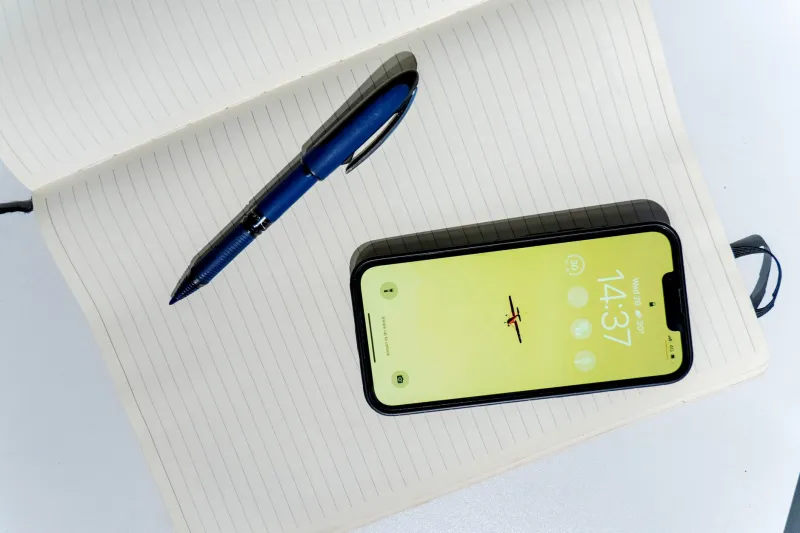
Photo: freelance designer writing follow-up email at wooden desk in London flat natural light, via tradingminds.in
Quiet weeks arrive without ceremony. The inbox thins, the phone stays still, and the temptation is to send a message that says, in effect, 'please reply'. That is a chase. It rarely produces work and often costs a little goodwill.
A follow-up is different. It is a short, useful note that helps someone make a decision or remember what happens next. In a freelance practice, it is closer to good manners than to sales. The aim is not to hurry a client along; it is to leave the door open and the information within reach.
The difference between a nudge and a chase
A chase is written for the sender's anxiety. It asks for reassurance, repeats a question, or implies that silence is a problem. A nudge is written for the recipient's convenience. It confirms what was sent, restates the next step, and makes replying easy.
The distinction matters because clients can tell the difference. A note that adds a date, a document, or a clear choice feels professional. A note that says 'just checking in' asks the client to do the emotional work of managing your worry. The first is service; the second is a small imposition.
Timing for a UK working week
Five to seven working days is a sensible first interval after sending a proposal. If you met someone and promised notes, three to four days is enough. For a lapsed contact, a note at the start of a month is better than one at the end, when diaries are full and patience is thin.
The UK calendar deserves respect. Avoid the first Monday after a bank holiday, the week of half-term if you know the client has children, and the last Friday before Christmas. If someone has told you they are on annual leave, wait until they are back. A calendar reminder is more useful than a nagging feeling, and it keeps the follow-up from arriving at a bad moment.
Two follow-ups are usually enough. The first can be a service; the second can be a close. If there is no reply after that, mark the conversation dormant and move on. Good manners include accepting silence.
Tone: plain, warm, and specific
Write as you would to a colleague you respect. Use plain English, short paragraphs, and one clear request. Avoid exclamation marks, 'gentle reminder', 'touch base', and 'circling back'. These phrases have been overworked and now sound like pressure wearing a soft hat.
A useful subject line names the project and the next step: 'Proposal for [project] — next steps' or 'Notes from Tuesday's conversation'. Keep the thread. Do not start a new email with a new subject unless the old one has become inaccurate.
Three templates for the quiet weeks
These are starting points, not scripts. Change the details, keep the tone.
After a proposal
Subject: Proposal for [project] — next steps
Dear [Name],
I am writing to confirm that the proposal for [project] reached you. If the scope looks right, I can hold [date range] for a start and send a short agreement. If something needs adjusting, tell me which part and I will revise it.
There is no urgency from my side. I would rather the decision be the right one.
With best wishes, [Your name]
After a meeting
Subject: Notes from our conversation on [day]
Dear [Name],
Thank you for your time on [day]. I have attached the two references we discussed and a short note on the likely lead time. The next decision is the [material, format or date]. If it helps, I can send a one-page comparison by [date].
Kind regards, [Your name]
After a long silence
Subject: A note about [month] availability
Dear [Name],
I am planning the diary for [month] and wanted to let you know that I have space for one small project. If something has been waiting for the right moment, this may be it. If not, there is nothing to do. I will keep you on the occasional note list.
Best wishes, [Your name]
What not to do
Do not apologise for following up. Do not mention that you are quiet. Do not send a second note on the same day as the first because you have thought of a better sentence. Do not use a follow-up to reopen a price that has already been agreed. And do not copy in a third party to create pressure; it turns a conversation into a performance.
If a client has asked for time, give it. If they have raised a concern about budget, answer the concern rather than sending a reminder. The follow-up should meet the obstacle, not talk around it.
A small habit for quiet weeks
Keep a simple list: name, date sent, next step, date to follow up. Write two notes, not twenty. Read them aloud before sending; if they sound like a chase, they probably are. A calm follow-up is a form of good manners, and good manners are remembered long after the quiet week has passed.