The Despatch Bench: A Calm Method for Posting Small Work from London
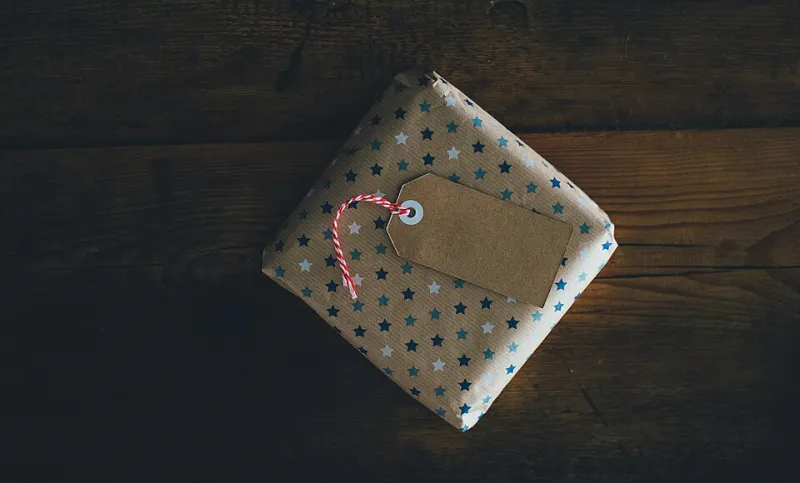
Photo: Annie Spratt anniespratt, CC0, via Wikimedia Commons
At the end of a small commission there is a practical moment that rarely appears in the portfolio: the work is finished, photographed and perhaps already discussed, but it still has to reach someone else safely. In a London flat, this is seldom a dedicated room. It is a corner of a table, a shelf of materials and a routine that has been refined by experience. A good despatch bench does not need to be large. It needs to be repeatable.
Materials worth keeping within reach
The temptation is to improvise at the last minute, wrapping a piece in whatever is nearest and hoping the Post Office has suitable boxes. A calmer approach is to keep a modest stock of materials that suit the work you actually send. For most small commissions and samples, that means a few sturdy double-wall boxes in two or three useful sizes, a roll of brown paper, a reel of good-quality water-activated tape or a strong acrylic tape, and a supply of tissue or acid-free wrapping for the object itself.
Beyond the outer packaging, keep a small selection of padded envelopes for flat work, some bubble wrap or recycled padding for awkward shapes, and a few clear document wallets for invoices and care notes. A cheap kitchen scale is invaluable, not because every parcel must be weighed to the gram, but because it prevents the small irritations of guessing postage at the counter. A ruler and a marker pen are equally useful. So is a dedicated drawer for labels, customs forms and proof-of-posting receipts.
The point is not to build a professional fulfilment operation. It is to remove decisions from the moment of despatch. When the materials are already there, the packing becomes a matter of care rather than scramble.
Matching the parcel to the service
Royal Mail remains the default for many small UK despatches, and for good reason. A tracked service such as Royal Mail Tracked 24 or 48 is often sufficient for small parcels, while Special Delivery Guaranteed is worth considering when the work is valuable, time-sensitive or difficult to replace. For flat or lightweight items, a large letter or small parcel service may be adequate, provided the dimensions and thickness are checked honestly. The counter staff are not there to police your packaging, but an incorrectly sized parcel can delay a despatch or cost more than expected.
Couriers become more sensible when the parcel is larger, heavier or awkwardly shaped. A framed piece, a long tube or a box that exceeds Royal Mail’s size limits is often better handled by a courier with a collection service. For London-based makers, collection can be a genuine advantage: it removes a journey across the city with an unwieldy parcel and creates a timestamped handover. It is worth comparing a tracked courier against Royal Mail Special Delivery for anything beyond a shoebox, particularly when the client needs a precise delivery window.
Insurance should be chosen deliberately rather than reflexively. Check the cover included in the service, the maximum compensation for the item’s value and the evidence required in the event of a claim. Keep proof of posting even when using a tracked service. Photograph the packed parcel, the label and the receipt. This is not distrust of the postal system; it is the same quiet record-keeping that makes any small business easier to run.
The evidence file
A despatch does not need a paper trail of heroic proportions. A single folder, physical or digital, is enough. For each parcel, note the client, the contents, the service used, the tracking number and the date of posting. Keep the proof of posting with the invoice or in a separate despatch book. If the item is insured, photograph it before sealing the box and keep those images alongside the receipt.
This habit pays off in two ways. It answers the client’s question about tracking without a search through drawers, and it gives you a factual basis for any claim. Just as importantly, it closes the loop between the studio and the client. The work is no longer simply “finished”; it is accounted for.
Designing the unboxing
The outside of a parcel is not the work, but it is part of how the work arrives. Brown paper, neatly folded and securely taped, is usually sufficient. It looks considered without looking precious. Inside, a layer of tissue or a simple sleeve protects the piece and makes the first moment of opening feel calm rather than chaotic. A short printed note, a care card or a brief line about the materials can be included without turning the parcel into a marketing exercise.
Avoid the temptation to over-pack. Excessive tape, loose filler and impenetrable layers can make a small object feel inaccessible. The client should be able to open the parcel without wrestling with it, and without fear of damaging the contents. A good unboxing is quiet: the work is visible, protected and accompanied by the information needed to live with it.
A closing routine
A despatch bench is really a closing routine. Before the parcel leaves, check the address, confirm the service, photograph the label and keep the receipt. Then clear the table. The next commission will begin with a clean surface, and the previous one will have been seen through to its practical end.
None of this is glamorous. It is simply the part of the work that makes the rest of it possible. In a city where space is limited and time is often borrowed, a modest, well-kept despatch routine is its own kind of professionalism.